What’s a Shampoo Bar?
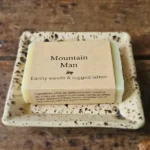
A shampoo bar is simply shampoo in solid form instead of a plastic bottle. Most bars are made with nourishing oils, clays, and gentle ingredients that create a rich lather when mixed with water.
Because they’re compact and long-lasting, shampoo bars are a simple way to reduce plastic waste while keeping your haircare routine uncomplicated.
What’s in This Guide
How Do I Use It?
Using a shampoo bar is simple:
- Wet your hair thoroughly.
- Wet the bar.
- Rub the bar between your hands to create lather, or glide it directly over your scalp and hair.
- Massage the lather into your scalp just like regular shampoo.
- Rinse thoroughly. Note: when rinsing, it’s especially important to lift your hair up and away from your scalp so water can move completely through the hair. Most first-time users either use too much product or simply don’t rinse long enough.
- Follow with conditioner if desired.
A little goes a long way, so you only need a few swipes for a good cleanse.
Is It Good for Colored Hair?
Yes — many shampoo bars are safe for color-treated hair, especially sulfate-free formulas. Gentle ingredients help cleanse without stripping moisture or fading color too quickly.
When choosing a shampoo bar for colored hair, look for:
- Sulfate-free formulas
- Moisturizing ingredients
- Gentle cleansers
- Products labeled color-safe
If you have freshly colored hair, it’s always a good idea to patch test first or check with your stylist for ingredient recommendations.
Why Should I Try a Shampoo Bar?
Shampoo bars offer several benefits. Many people find a natural shampoo bar replaces multiple plastic bottles because they often don’t feel the need for conditioner as frequently.
Benefits of Shampoo Bars
- Eco-Friendly — Less plastic packaging and reduced waste
- Travel-Friendly — Compact, lightweight, and TSA-friendly
- Long-Lasting — One bar can often replace 2–3 bottles of liquid shampoo
- Gentle Ingredients — Many contain nourishing oils and fewer harsh chemicals
- Space-Saving — Easy to store at home or while traveling
They’re a simple switch that can benefit both your hair and the environment.
How To Care for Your Shampoo Bar
To help your bar last longer:
- Keep it dry between uses
- Store it on a draining soap dish or soap lift
- Avoid leaving it in standing water
- Let it air dry completely after use
- Store in a travel tin only when dry
Proper care helps prevent the bar from becoming soft and extends its lifespan.
Helpful Tips for Best Results
- Your hair may need a short adjustment period when switching from liquid shampoo.
- If your hair feels waxy at first, try rinsing more thoroughly or using less product.
- Hard water can sometimes leave residue behind, especially during the first few uses.
- Different bars work better for different hair types, so it may take a little experimenting to find your perfect match.
With the right bar, you can enjoy cleaner hair, less waste, and a simpler haircare routine.
Do I Need To Use Conditioner?
Not always. Many people find they don’t need conditioner when using a shampoo bar, or they only need it occasionally.Bars are often made with nourishing oils and gentle ingredients that help leave hair feeling soft and balanced on their own.
People with very dry, curly, or damaged hair may still benefit from using conditioner regularly, especially on the ends of the hair.
Apple Cider Vinegar (ACV) Rinse
If your hair feels heavy, coated, or difficult to rinse, a diluted apple cider vinegar rinse can help remove residue, restore shine, and rebalance the scalp.
Simple Apple Cider Vinegar Rinse
Mix:
- 1–2 tablespoons apple cider vinegar
- 1 cup water
After shampooing, pour the mixture through your hair, let it sit for about a minute, then rinse thoroughly.
The vinegar smell disappears as your hair dries, leaving hair feeling clean, soft, and shiny.