What I Did on the Fourth of July
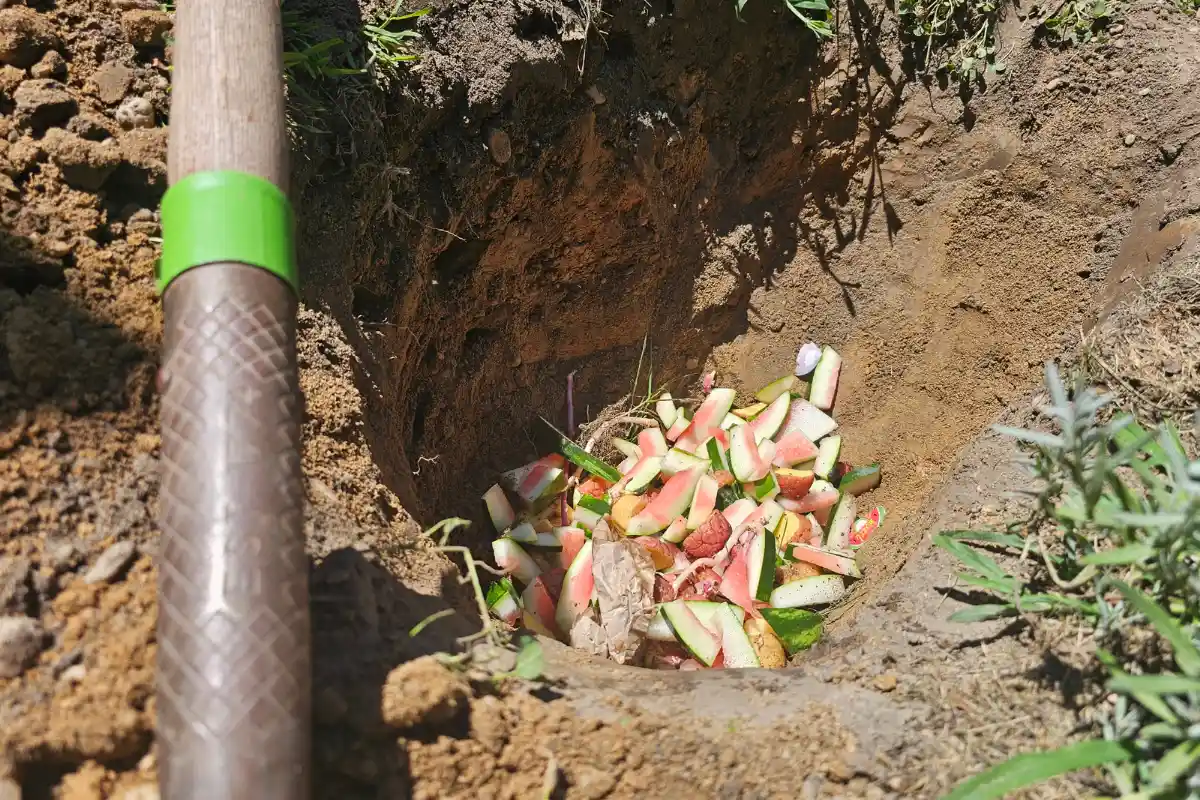
I spent part of the Fourth of July digging a trench in my backyard.
Not exactly the picture most people have in mind for Independence Day.
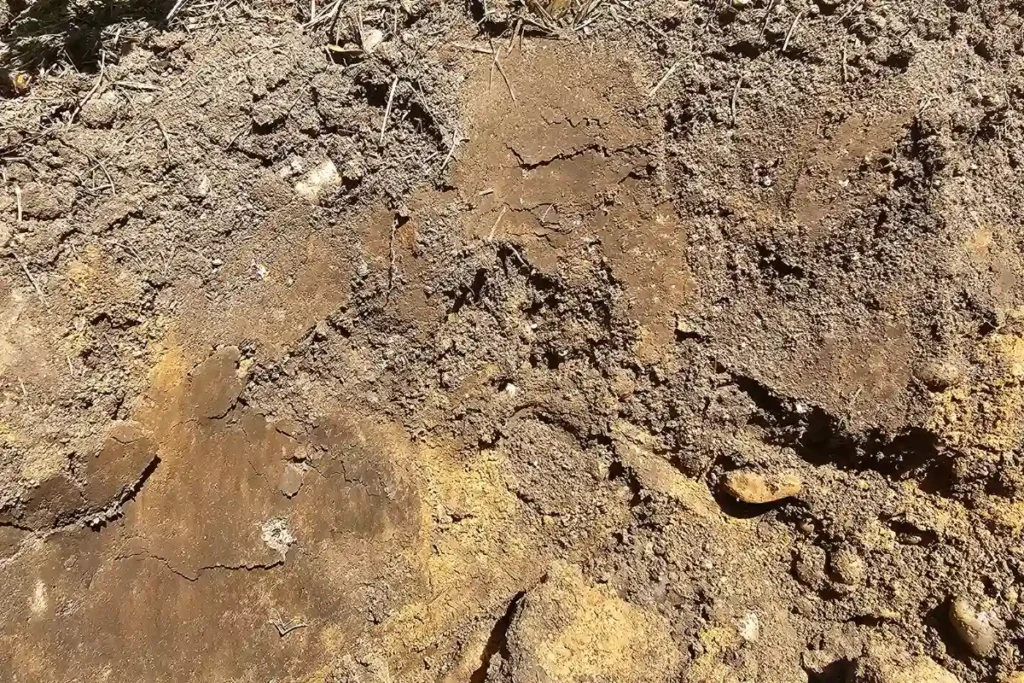
It was close to 100 degrees, and somewhere between eight and ten inches down I hit a layer that barely deserved to be called soil. The shovel wouldn’t go any farther. I had to stand on it like a pogo stick, rocking back and forth to force it into the ground. Then I’d pry out another chunk of pale, dry, clay-like earth and do it all over again.
Why was I doing this on one of the hottest days of the year?
Because I had cut up a watermelon.
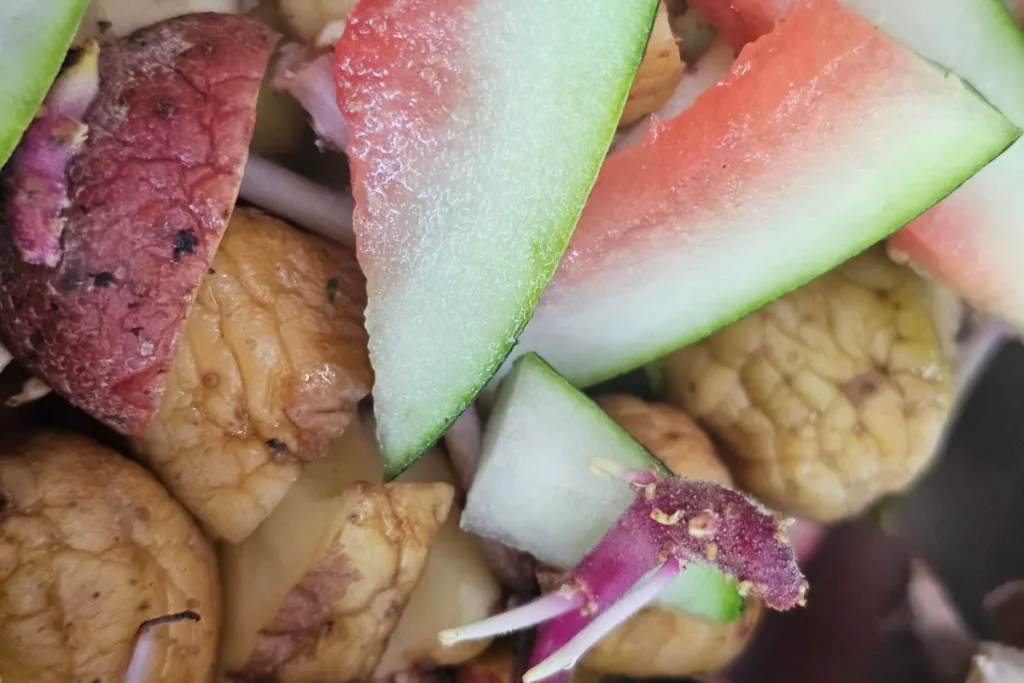
I couldn’t bring myself to throw away the rind.
Because I haven’t noticed a single earthworm in any of my recent gardening sessions. Not one.
So I chopped up the watermelon rind, added a few old potatoes that had seen better days, dropped everything into the bottom of the trench, filled it back in, covered the spot with a piece of cardboard, and walked away.
Now I wait.
The Worms Will Come
The method is simple enough. Bury organic matter deeply enough that it breaks down underground, feeding the soil instead of attracting animals. But one sentence I had read kept coming back to me while I was digging:
“The worms will come.”
That sentence stuck with me because my soil desperately needs them.
My backyard looks green enough, but the ground underneath tells a different story. Pale, compacted soil that seems almost lifeless. It doesn’t hold water well and dries out almost immediately. This week’s heat wave has stressed both the garden and the gardener.
I’m slowly trying to change that, one small project at a time—including my Rabbit Candy and More: The Grow With Me Project experiment.
I recently read something else that fascinated me.
Earthworm cocoons can remain dormant for years, waiting for the right conditions before they hatch.
Years.
I don’t know if there are tiny worm cocoons hidden somewhere beneath my backyard. Maybe there aren’t. But I like imagining that there are little pioneers underground, simply waiting for someone to make the soil worth coming home to.
It seems like a fitting thought on the Fourth of July.
This year we’re celebrating 250 years since our country’s founding. While everyone else was thinking about fireworks, I found myself thinking about the ground beneath our feet. The farmers who came before us understood something we’ve almost forgotten. Healthy fields didn’t begin with the crops. They began with healthy soil.
Everything grows from there.
Healthy soil feeds the worms.
The worms build richer soil.
The richer soil supports healthier plants.
The plants feed pollinators.
The pollinators help grow our food.
And the cycle begins again.
Everything Grows from Here
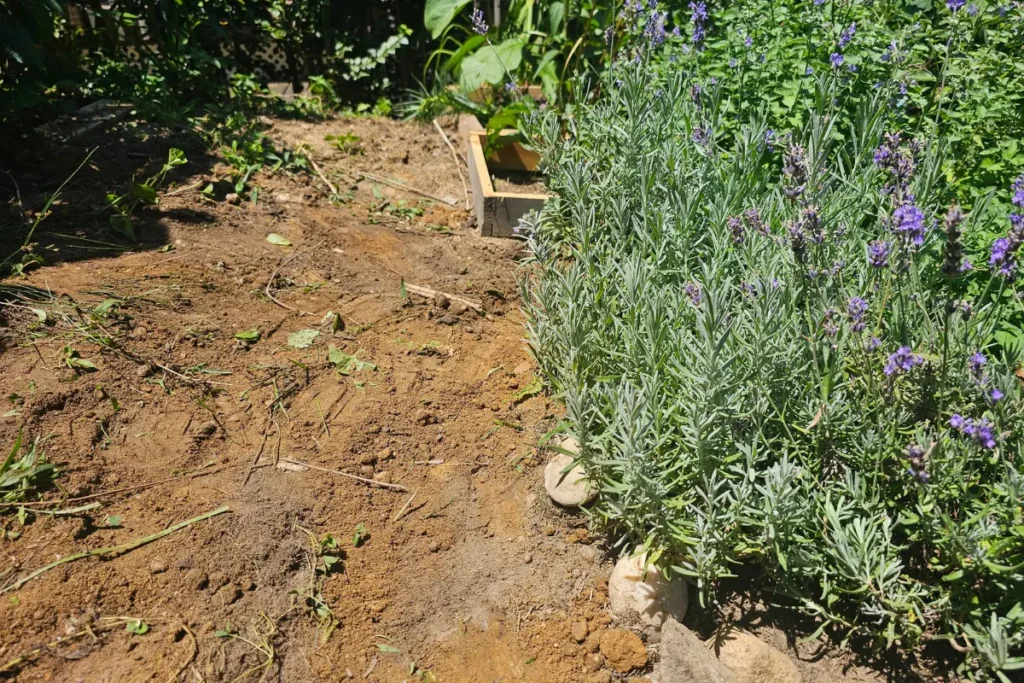
When I look at my garden, I see flowers for the bees. Watching the garden has become one of my favorite ways to understand the bees, something I wrote about in Do Bees Fly in the Rain?
I see vegetables for the table. I see birds, butterflies, and all the life that depends on this little patch of earth.
But none of it happens without the dirt beneath our feet.
So this Fourth of July, instead of fireworks, I buried a watermelon rind.
It may not look like much today.
But sometimes the most important work happens underground, long before anyone can see the results.