THE BEEKEEPER NOTICED
the connections between the backyard, the bees, and everyday life
Does Anyone Like Mosquitos?
Mosquitoes love me. Unfortunately, the feeling isn't mutual. A beekeeper's observations on mosquitoes and the surprising garden plant that inspired Buzz Off, our natural mosquito repellent.
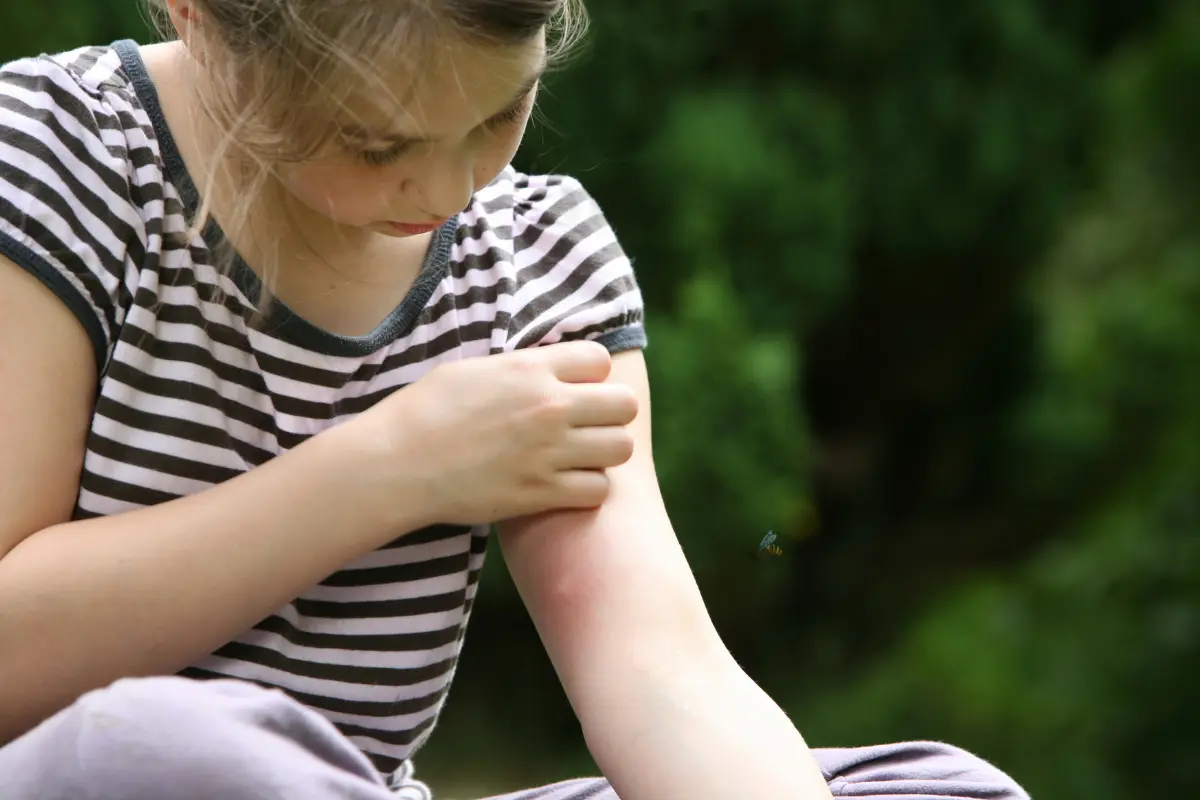
Mosquitoes love me. There can be no debate.
Unfortunately, the feeling isn’t mutual.
They may be amazingly delicate-looking insects, but you won’t find me writing poetry about them anytime soon.
In less than a second, the drone of a mosquito can ruin a peaceful run in the woods, a productive morning in the garden, or a shady reading spot and send me heading indoors.
Scientists believe mosquitoes may prefer certain blood types, body heat, carbon dioxide, and even the natural chemistry of our skin. Whatever the reason, they seem to have my name on their attack list every summer. Meanwhile, my husband can sit right beside me, completely unbothered.
Why Mosquitoes Drive Me Crazy
Mosquitoes can transmit diseases. In the United States, the most notable is West Nile Virus, which is found in many states, including New York.
But for most of us, the reasons we dislike mosquitoes are much simpler.
It’s also why so many people spend the summer looking for a natural mosquito repellent that lets them enjoy time outdoors without constantly swatting and scratching.
- They’re annoying.
- The buzzing can drive you crazy.
- Bites itch.
- Some people develop large, swollen welts.
- Scratching can lead to skin irritation or infection.
There are good public health reasons mosquito control programs exist, but for most people, the bottom line is simple:
Mosquitoes make it difficult to enjoy being outside.
A Plant-Based Solution
As a beekeeper, I have some natural protection against mosquitoes. Long pants and long sleeves are surprisingly effective at preventing bites.
But that won’t work for everyone.
As a mother, I wanted to protect my babies even more than myself. That meant doing a little research (I’m good at that) to learn what might help repel mosquitoes beyond the water management that was under my control.
Two plants appeared repeatedly in my research: basil and catnip.
Basil was an easy addition because I already loved growing it. Fresh pesto alone is reason enough to make room for a few plants. As I dug deeper, I learned that different varieties contain different aromatic compounds, and some—such as Thai basil, holy basil, and clove basil—are often mentioned in discussions about mosquito-resistant gardens.
So naturally, I started growing more basil.
The bigger surprise was catnip.
While cats may be the plant’s most famous fans, gardeners and researchers have discovered something equally interesting: catnip contains a naturally occurring compound called nepetalactone, which has been studied for its mosquito-repelling properties.
Nature is full of surprises.
And speaking of surprises…
🦟A Few Things To Know
- Mosquitoes need standing water to breed. Even a bottle cap full of water can be enough for some species to lay eggs. Bird baths, clogged gutters, flower pot saucers, kiddie pools, and forgotten buckets are all favorite mosquito nurseries.
- Mosquitoes are most active at dawn and dusk. Those calm, humid hours around sunrise and sunset are prime mosquito time, although some species will happily bite throughout the day.
- Rain isn’t the problem—standing water is. A summer thunderstorm may come and go, but the puddles and water-filled containers left behind can provide ideal breeding habitat.
- Mosquitoes aren’t strong fliers. Most spend their lives surprisingly close to where they hatch, often within a few hundred feet.
The beekeeper’s takeaway? Empty the bird bath, clear the gutters, and don’t give mosquitoes free real estate in the backyard.
The Catnip Came Back
Not many people grow catnip unless they have a cat.
Since I wanted organic catnip and couldn’t easily find it at local nurseries, I decided to grow my own. I started a pair of window boxes filled with sturdy catnip plants. They thrived for years and eventually made the move with me from Sunnyside, Queens, to Glen Head.
Then one year they mostly disappeared.
I was disappointed. I didn’t want to start over from seed, but I assumed I would have to.
Then I noticed something interesting.
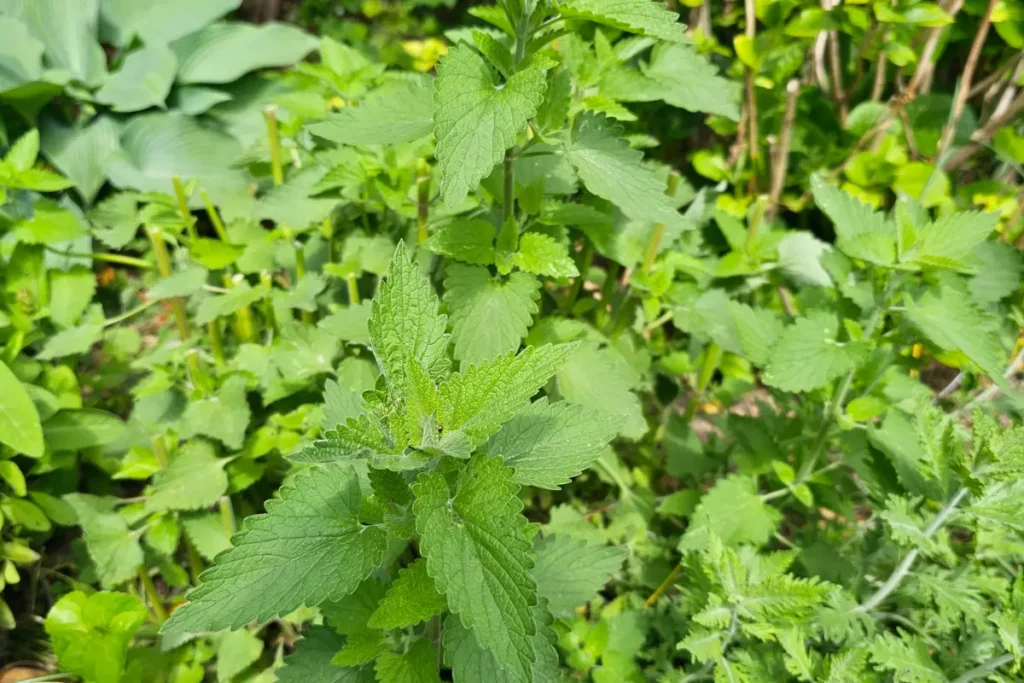
A few catnip plants appeared where I had never planted them—tucked among the sage and other herbs in a nearby garden bed.
This year, the patch is even larger.
Of course, I shouldn’t have been surprised. Catnip belongs to the mint family, and mint relatives are famous for finding new places to grow. A few seeds, a little wind, and suddenly the garden has ideas of its own.
So while I planted catnip intentionally, the garden seems to have decided I need a permanent supply.
And honestly, the garden made the right decision.
Along with basil and a blend of essential oils, catnip became one of the ingredients in Buzz Off, our natural mosquito repellent. What began as a little research project to solve a mosquito problem eventually became a product that customers ask for every summer.
The catnip comes back every spring.
The mosquitoes come back every summer.
So Buzz Off comes back too.
A Few Things I Keep Handy in Summer
If you’re spending time gardening, hiking, camping, or simply enjoying the backyard, Buzz Off is the natural mosquito repellent I reach for most often. But experience has taught me that no summer adventure goes exactly according to plan.
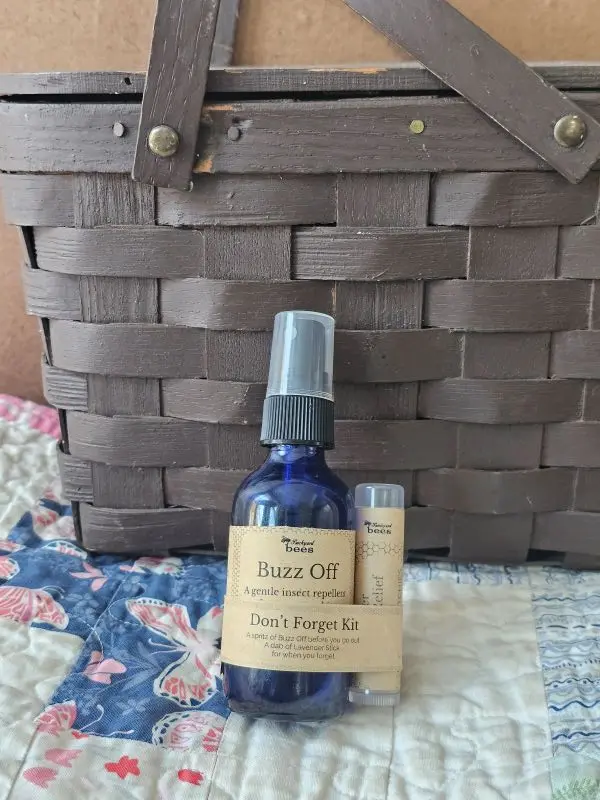
That’s why I also keep a Don’t Forget Kit nearby. Along with Buzz Off, it includes a Lavender Bug Bite Relief Stick for those moments when a mosquito manages to sneak through anyway.
And for the truly memorable outdoor adventures—the ones involving weeds, trails, and an unfortunate encounter with poison ivy—there’s always Poison Ivy Soap. Consider it the beekeeper’s version of being prepared. 🐝